
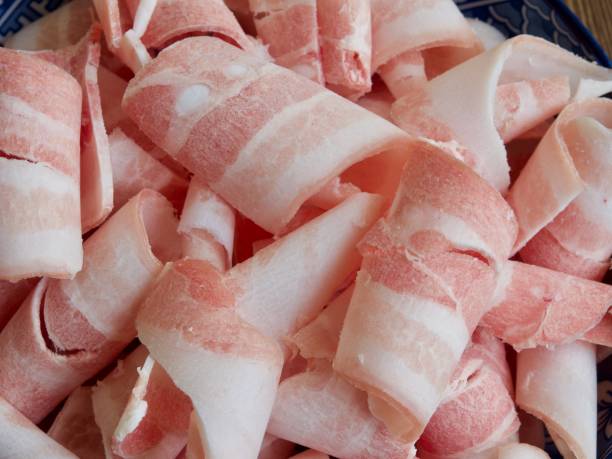
For international wholesalers, processors, and retail chains sourcing pork products, reliability and product integrity are critical purchase criteria. This guide outlines key considerations that ensure quality pork procurement, drawing insights from successful European suppliers such as Industrias Cárnicas Montronill S.A.U. a market leader based in Spain.
1. Verify Food Safety Certifications
Food safety certifications are essential. Look for suppliers accredited under globally recognized standards, such as BRC (British Retail Consortium) and IFS (International Featured Standards). These frameworks demonstrate that production adheres to strict hygiene, risk assessment, and traceability requirements. Montronill’s compliance with these standards reinforces its status as a dependable supplier. Click here to learn more
2. Assess Traceability Systems
Traceability is a cornerstone of quality meat procurement. Effective traceability systems track animals from farm origin through slaughter, processing, and shipment. Such systems protect buyers from supply chain risks and support regulatory compliance in import markets. Montronill integrates these systems throughout its operations to deliver transparency to international customers.
3. Understand Product Range and Specifications
Different markets require different products. International buyers should request detailed product specifications, including cut type, packaging, weight classes, and handling requirements. A supplier such as Montronill offers a wide range of pork products from traditional cuts like loin, shoulder, and belly to by-products like offal.
4. Evaluate Logistics and Cold-Chain Capabilities
Cold-chain integrity is vital for preserving frozen meat quality. Reliable suppliers maintain their own logistics networks or work with certified transport partners to ensure consistent temperature control from plant to destination. Montronill’s export reach underscores its strength in coordinating efficient frozen logistics on a global scale.
5. Prioritize Sustainability and Ethical Practices
Today’s buyers often factor sustainability and animal welfare into purchase decisions. Suppliers who commit to ethical livestock management, renewable energy use, and waste minimization demonstrate readiness for long-term partnerships.
Conclusion
Successful purchasing strategies combine due diligence with strategic supplier evaluation. By focusing on food safety, traceability, product range, logistics, and sustainability, international buyers can establish reliable supply lines. Companies like Montronill serve as strong examples of how these principles translate into quality supply solutions.
Learn more about international pork sourcing and product details at: https://montronillsau.com/


